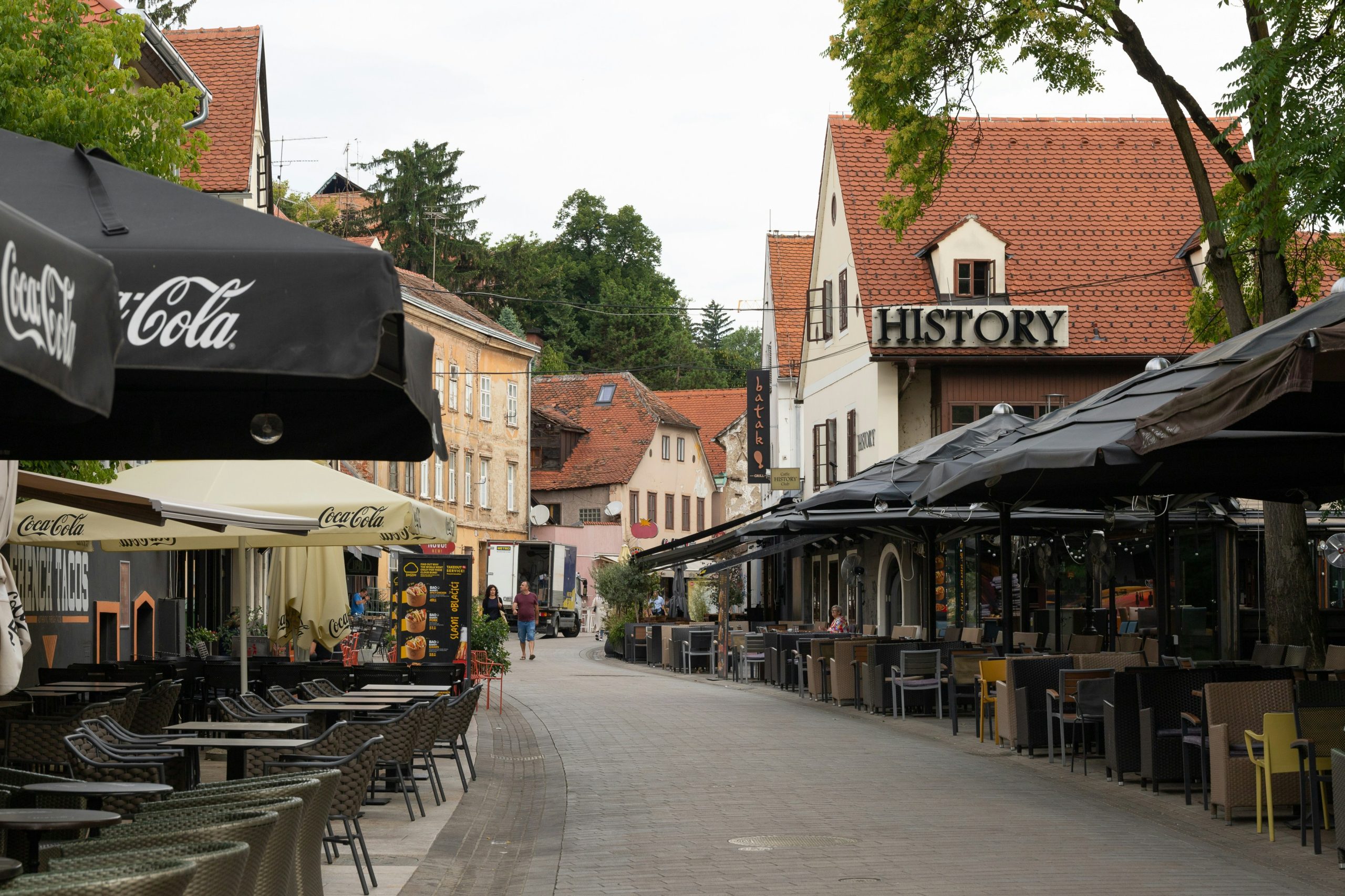
Have you ever noticed how travel seems to follow an invisible calendar? Summer arrives and suddenly everyone is booking the same flights, heading to the same beaches, standing in the same lines. Scroll through social media in July and it feels almost mandatory – this is when you’re supposed to go. But have you ever stopped mid-queue, squinting at a landmark through a sea of phones, and wondered: why now?
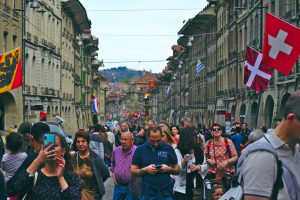
Peak-season travel didn’t become the norm because it’s better. It happened because it’s familiar. School holidays, office schedules, long-standing habits – they all push us toward the same crowded weeks. The result? Higher prices, less flexibility, and experiences that feel oddly rushed for something we’ve waited all year for.
In recent years, this pattern has only intensified. Popular destinations sell out faster, hotel rates jump overnight, and flights fill up weeks in advance. You might land an incredible destination, but you pay for it in other ways – financially and emotionally. Long waits, noisy streets, overbooked tours. Even the simple pleasure of sitting at a café can turn into a competitive sport.
This is exactly why off-season travel 2026 is quietly becoming the smarter alternative. Not because it’s trendy, but because it gives you back what peak season takes away: time, space, and choice. When fewer people are traveling, destinations breathe differently – and so do you.
Before we talk about savings or deals, it’s worth asking a more honest question: what does it actually cost to travel when everyone else does? Sometimes, the answer has very little to do with money.
What Actually Changes After New Year’s
Something subtle happens the moment the holiday decorations come down. Airports quiet down. Hotel calendars suddenly have gaps. That frantic “we have to go now” energy disappears almost overnight. If you’ve ever traveled in early January or February, you know the feeling – it’s like arriving just after a party has ended, when the music is off and the room finally makes sense again.
This is the post-holiday sweet spot, and it’s the foundation of why so many experienced travelers quietly swear by it.
Once New Year’s Eve passes, demand drops fast. Families are back to school routines, companies lock in work schedules, and spontaneous trips become less common. For destinations across Europe – and well beyond – this shift changes everything. Flights that were painfully expensive a few weeks earlier suddenly become negotiable. Hotels that were fully booked in December start offering better rooms, better service, and often better attitudes too.
It’s no coincidence that shoulder-season bookings jumped significantly in 2025, with more travelers deliberately choosing quieter months. That momentum is rolling straight into off-season travel 2026, driven by people who’ve realized that traveling well isn’t about perfect timing – it’s about smart timing.
And the benefits aren’t just financial. Cities feel more authentic. Locals aren’t exhausted by tourism yet. Museums operate at a calmer rhythm. Restaurants have time to talk to you instead of rushing you through a table. Even transportation feels easier, with fewer delays caused by overcrowding.
If summer travel is about chasing energy, travel after the holidays is about absorbing atmosphere. It’s the difference between ticking boxes and actually being present. And once you experience that shift, it’s hard not to wonder why you waited so long.
EU platforms reported 129.6 million guest nights in Q1 2025, up 4.8% YoY, with shoulder-season bookings to Western Europe up 61%. Read EU data and Shoulder season stats
Cheaper Flights, Better Hotels
Let’s talk money – not in a stressful way, but in a “wait, why didn’t I know this earlier?” way.
One of the biggest myths about travel pricing is that good deals are rare or random. In reality, they’re often seasonal. And the weeks after the holidays are one of the clearest examples of how the system works in your favor once demand cools down.
Airlines price flights based on urgency. December is full of it – people have to be somewhere, dates are fixed, flexibility disappears. By January, that urgency is gone. Fewer people are searching, fewer seats are being snapped up, and suddenly prices soften. This is why flights between January and March are frequently 30 to 50 percent cheaper than the same routes in summer. The destination hasn’t changed – only the competition for seats has.

Hotels follow a similar rhythm. In peak months, rooms sell themselves. In quieter periods, hotels have to earn your booking. That’s when better rooms become available at lower rates, upgrades happen more often, and flexible cancellation policies suddenly appear. You’re no longer just another reservation number – you’re a guest they actually have time for.
What’s interesting is that these savings don’t always show up as flashy “SALE” banners. Often, they’re quieter:
- Lower base prices
- Fewer minimum-night restrictions
- Added perks like breakfast or late check-out
This is where off-season travel 2026 becomes especially appealing. You’re not chasing last-minute discounts or compromising on quality. You’re simply booking when the market is calmer – and calmer markets tend to reward patience.
And perhaps the biggest advantage of all? Flexibility. Midweek departures become realistic. Changing plans doesn’t feel risky. You can build a trip around comfort rather than cost-cutting. Once you experience that kind of freedom, it’s hard to go back to rigid, peak-season planning.
Flights drop 10-15% in Jan-Feb vs holidays; hotels offer 20-40% savings during shoulder season. Flight savings guide Cheapest months
Fewer Crowds, Better Experiences
There’s a moment that only happens when you travel outside the busy months. You turn a corner in a famous city, expecting noise and movement – and instead, there’s space. Actual space. You hear your footsteps. You notice details. For the first time, the place feels like a destination again, not an attraction.
Crowds change how we travel more than we like to admit. They rush us, distract us, and quietly push us into a checklist mindset. You stop lingering. You stop observing. Even beautiful places begin to feel transactional. Visit them, photograph them, move on.
Travel after the holidays flips that experience completely. In January, February, and early March, cities slow down. Museums are still open, but the lines shrink. Restaurants welcome you without scanning the room for the next reservation. Public transport works the way it’s supposed to. Instead of navigating around people, you navigate with curiosity.
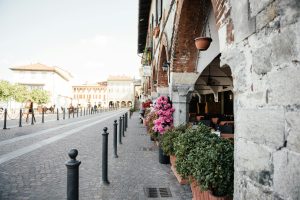
This is where off-season travel 2026 becomes about more than savings. It’s about quality. About having the mental space to connect with where you are. A quiet morning walk through a historic neighborhood. A conversation with a shop owner who isn’t overwhelmed. A seat by the window without needing to plan days ahead.
Even iconic destinations feel different when the pressure is gone. Rome becomes walkable again. Paris feels intimate rather than performative. Coastal towns reveal daily rhythms that summer never allows you to see. The places haven’t changed – but your relationship with them has.
If peak season is about energy and spectacle, the quieter months are about presence. And once you experience a destination without the background noise of crowds, it’s hard not to feel like this is how travel was always meant to feel.
January to March Isn’t Cold Everywhere – Here’s Where to Go
One of the biggest reasons people hesitate to travel after the holidays is simple: they assume winter equals bad weather. Grey skies, closed resorts, nothing to do. But once you look beyond that assumption, the map opens up in surprising ways.
January to March is less about chasing heat and more about choosing the right climate. Southern Europe, for example, doesn’t shut down in winter – it just changes pace. Days are cooler but brighter, perfect for walking, exploring, and actually enjoying being outside without the exhaustion that summer brings. Coastal towns feel calm rather than deserted, and cities finally give you room to breathe.
This is also the time when island destinations show a different side of themselves. Places like the Greek islands aren’t about beach clubs in winter – they’re about villages, food, and slow mornings. Zakynthos, for instance, becomes less about crowds and more about landscape. You can drive without traffic, stop wherever you want, and experience the island as locals do. If you’re curious how that feels in practice, our Zakynthos guide dives into exactly that kind of off-season rhythm.

And if warmth is non-negotiable, there are still plenty of options. The Canary Islands enjoy spring-like temperatures while much of Europe is still waking up from winter. Southern Spain and Portugal stay comfortably mild. Even parts of Italy offer sunny days that are ideal for sightseeing rather than sunbathing.
The beauty of off-season travel 2026 is that you’re no longer limited to one definition of a “good” destination. Instead of planning around peak weather, you plan around comfort, atmosphere, and experience. Sometimes that means a light jacket instead of a swimsuit – and often, that’s a trade worth making.
Events, Cities, and Big 2026 Shifts You Can Outsmart by Traveling Earlier
If there’s one thing 2026 is quietly promising, it’s pressure. Big events, long-planned renovations, and global attention are already starting to shape how people move around the world – even if most travelers haven’t noticed it yet.
Take major cities. When a destination knows a surge is coming later in the year, prices tend to rise before the crowds actually arrive. Hotels adjust expectations. Flights become less forgiving. Availability tightens, even months in advance. By the time everyone starts talking about it, the advantage is gone.
The 2026 FIFA World Cup is a perfect example. Even if you have zero interest in football, its ripple effects will be felt far beyond the host cities. International routes will be busier. Popular stopover hubs will see higher demand. Accommodation in well-connected cities will feel the pressure earlier than expected. Traveling before those patterns peak lets you enjoy the same places without the logistical noise that follows global events.
It’s not just sports. Many European cities are entering 2026 with ambitious plans – infrastructure updates, cultural programs, long-delayed restorations finally opening to the public. That’s exciting, but it also attracts attention. Travel earlier in the year, and you get access without competition. Visit later, and you’re sharing the moment with everyone else who waited.
This is where off-season travel 2026 becomes a form of quiet foresight. You’re not avoiding excitement – you’re choosing when to engage with it. January to March offers a window where destinations are fully open but not yet overwhelmed by headlines or hype.
Think of it as arriving before the spotlight turns on. The place is ready, the energy is calm, and everything works just a little more smoothly. And sometimes, that timing makes all the difference.
FIFA World Cup 2026 drives 33% U.S. tourism growth; host city rentals surge 40x post-draw. World Cup planning Rental demand analysis
Who Off-Season Travel Is Perfect For
Off-season travel isn’t a secret club – but it does suit certain travelers better than others. Knowing which side you fall on can save you from disappointment and help you lean into what these quieter months do best.
If you love having space, time, and flexibility, traveling after the holidays will probably feel like a relief. Couples often enjoy it the most. Without crowds dictating your pace, days unfold more naturally – long walks, spontaneous plans, unhurried meals. Solo travelers tend to thrive too, especially those who like observing, wandering, and settling into a place rather than racing through it.
It’s also ideal if your schedule allows flexibility. Remote workers, freelancers, or anyone who can travel midweek will notice the difference immediately – not just in prices, but in how smoothly everything runs.
That said, it’s not for everyone. If your travel happiness depends on high-energy nightlife, packed beach scenes, or very specific summer-only activities, the quieter months might feel too calm. And families tied strictly to school holidays may find timing more challenging, though even short post-holiday breaks can still work.
The key is expectation. Off-season travel 2026 isn’t about replacing peak season – it’s about offering a different rhythm. For many travelers, that rhythm turns out to be exactly what they were missing.
How to Plan the Perfect Off-Season Trip (Without Overthinking It)
Planning an off-season trip doesn’t require special skills or insider tricks – it just asks for a slightly different mindset. Instead of locking everything down months in advance, you plan with flexibility as your biggest advantage.

Start with dates rather than destinations. Midweek flights are often noticeably cheaper and calmer, especially between January and March. Even shifting your departure by a day or two can make a visible difference. Once dates are loose, destinations tend to fall into place more easily.
Accommodation is where the off-season really shines. Hotels are more open to shorter stays, better rooms, and flexible policies. You don’t need to chase the cheapest option – value often shows up in comfort, location, and small perks that matter more when a place isn’t busy.
Weather expectations are another key piece. Off-season travel isn’t about perfect conditions; it’s about workable ones. A light jacket, an extra layer, and realistic expectations go a long way. In return, you get calmer days and far more freedom to explore.
Most importantly, leave room for spontaneity. When crowds are low, plans don’t need to be rigid. That’s part of the appeal of off-season travel 2026 – it gives you permission to slow down, adjust, and enjoy the trip as it unfolds.
So… What If You Tried Traveling When Everyone Else Goes Home?
By the time the holidays end, most people are already looking forward – to spring, to summer, to the next opportunity. Travel gets postponed, pushed into the background, saved for later. And yet, this is exactly the moment when destinations start offering their best selves.
Traveling after the holidays asks a simple question: what if you didn’t wait? What if you went when places were calmer, prices kinder, and experiences less scripted? What if travel felt less like an event and more like a rhythm you could step into naturally?
That’s the quiet promise of . Not louder, not bigger – just better timed. You move differently when you’re not competing for space or attention. You notice more. You remember more. And you come home feeling rested rather than rushed.
It doesn’t mean abandoning summer trips forever. It simply means expanding your idea of when travel works. Sometimes the smartest move isn’t following the crowd, but letting it pass – and then going.
If you’ve been waiting for a reason to try traveling when everyone else goes home, this might be it. And once you do, you may find yourself quietly planning the next one the same way.
If you enjoyed rethinking when to travel, you might also like exploring how destinations change beyond the obvious season. Our travel guides on Hello My Holiday are a good place to continue that journey.
You might enjoy our latest destination feature,
Best Markets in Europe 2025: A Guide to the Most Authentic Local Experiences, where timing, atmosphere, and local life matter just as much as the destination itself. URL: https://hellomyholiday.com/best-markets-in-europe-2025-guide/