What if everything you think you know about Australia is only a small part of the story?
Most travelers picture sunburned beaches, iconic wildlife, and vast open spaces – but Australia is far more layered, complex, and surprising than those familiar images suggest. Beneath the stereotypes lies a country shaped by ancient cultures, extreme distances, quiet contradictions, and a way of life that feels both familiar and unexpectedly different.
In this article, you’ll read about Australia travel facts that go beyond the obvious. From the deep influence of Indigenous heritage to the realities of traveling across an island continent, from cities that don’t behave like typical global hubs to landscapes that challenge how we understand space and time. These are the details many visitors only begin to notice once they slow down – or once the journey is already over.
If you’re curious about what Australia is really like once you look past postcards and assumptions, this is where the story begins.
Australia Isn’t as Young as It Seems
Australia is often described as a “young country,” and in some ways, that’s true. As a modern nation, it’s relatively recent – European settlement began a little over 200 years ago, which makes Australia feel new when compared to countries shaped over millennia. But that idea only tells a fraction of the story, and it’s one of the first misconceptions many travelers bring with them.
Long before modern borders existed, Australia was already ancient. Indigenous Australians have lived on this land for more than 60,000 years, making their culture one of the oldest continuous civilizations on Earth. That depth of history isn’t always immediately visible in the way castles or old town centers are in Europe, but it’s woven into the land itself – in rock art, sacred sites, oral traditions, and an enduring connection to place.

This contrast between “new” and “ancient” shapes how Australia feels when you travel through it. Cities may look modern and familiar, but step outside urban areas and time begins to stretch differently. Landscapes don’t feel untouched; they feel enduring. There’s a sense that the land has seen far more than it reveals at first glance.
Understanding this duality is essential to grasping many Australia travel facts that surprise visitors. Australia isn’t young or old – it’s both at once. And once you recognize that, the country stops feeling like a distant destination and starts feeling like a place with a much deeper story than most people expect.
Indigenous Culture Shapes Everyday Australia
For many first-time visitors, Indigenous culture in Australia is something they expect to encounter in museums, guided tours, or history books – important, but distant. What often comes as a surprise is how present it still is, quietly influencing daily life, language, art, and the way Australians relate to the land.
Aboriginal and Torres Strait Islander cultures aren’t frozen in the past. They are living cultures, carried forward through storytelling, contemporary art, music, and community life. You’ll see it in city galleries showcasing modern Indigenous artists, in place names that come from ancient languages, and in the growing recognition of traditional custodians at public events and cultural spaces.
This presence is also deeply tied to how land is understood. For Indigenous Australians, land isn’t something to be owned or conquered – it’s something to be cared for and respected. That perspective subtly shapes environmental awareness, conservation efforts, and even how certain places are approached by visitors today. Sacred sites, for example, are not simply landmarks; they hold meaning that goes beyond what’s visible.
For travelers, this is one of the most meaningful Australia travel facts to understand. Engaging with Indigenous culture isn’t about ticking off an experience – it’s about listening, observing, and recognizing that Australia’s story didn’t begin with colonization. Once you become aware of that, the country feels more layered, more human, and far richer than its surface impressions suggest.
Australia’s Size Changes Everything
Australia looks manageable on a world map, but once you start moving through it, scale becomes impossible to ignore. Distances that seem short on paper turn into full-day journeys, and the idea of a “nearby” destination quickly shifts. This sense of space doesn’t just affect travel plans – it shapes how Australians think, live, and move.
Locals are used to long drives, internal flights, and planning around distance. Saying something is “a few hours away” often comes without hesitation, even when that would cross entire countries elsewhere. For visitors, this can be one of the most surprising Australia travel facts to grasp. It changes expectations, pacing, and how you experience time on the road.
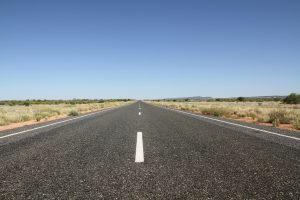
This scale also encourages a different relationship with travel itself. Road trips are part of everyday life, not special events. Domestic flights are common, not indulgent. People are more selective about where they go, not because options are limited, but because getting anywhere takes commitment.
For travelers, understanding this early makes all the difference. Australia rewards slower, more focused itineraries. Trying to see everything in one trip often leads to frustration, while choosing fewer places allows the landscape to unfold naturally. Once you accept that distance is part of the experience, travel in Australia stops feeling inconvenient – and starts feeling intentional.
The Outback Isn’t Empty
The word “Outback” often brings up images of endless red land, isolation, and very little life in between. From a distance, it can look like a vast blank space on the map. But that impression is misleading – not because the Outback is crowded, but because it operates on a completely different scale and rhythm.
The Outback is home to communities, ecosystems, and stories that don’t announce themselves loudly. Towns are far apart, nature dominates the landscape, and silence becomes part of the experience. For many visitors, this quiet can feel unsettling at first. There are no constant signs, no packed viewpoints, no background noise. And yet, life is very much present – just spread out and deeply connected to the land.
This is one of those Australia travel facts that only makes sense once you’re there. “Empty” doesn’t mean unused or forgotten; it means uninterrupted. The Outback teaches patience and awareness. You notice the horizon, the changing light, the way the land seems to breathe over the course of a day. Conversations feel slower, more deliberate. Time stretches.
For travelers willing to embrace that stillness, the Outback offers something rare: space to think, observe, and experience a place without distraction. It’s not a destination that competes for attention – it waits for it. And in doing so, it often leaves a deeper impression than the places that try much harder to be seen.
Why Australian Cities Feel Different
At first glance, Australian cities can feel comfortably familiar. Modern skylines, efficient transport, recognizable brands, cafés on every corner – it’s easy to assume you know how things work. But spend a little time in cities like Sydney, Melbourne, or Brisbane, and subtle differences begin to surface.
The pace is one of the first things visitors notice. Cities feel active but not rushed, social without being overwhelming. Workdays tend to end earlier, outdoor spaces stay busy well into the evening, and cafés aren’t just places to pass through – they’re part of daily routine. Coffee culture, in particular, isn’t a trend here; it’s a standard. Locals are discerning, loyal to their neighborhood spots, and surprisingly serious about quality.
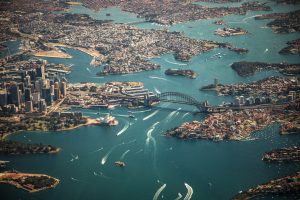
What often surprises travelers is how closely urban life connects to nature. Beaches, parks, rivers, and coastal walks aren’t weekend escapes – they’re integrated into the city itself. You can move from a business district to open water or green space in minutes, and that proximity shapes attitudes toward balance and lifestyle.
This blend of familiarity and difference is a recurring theme in many Australia travel facts. Cities don’t try to impress with intensity or scale. Instead, they reveal themselves through everyday moments – long lunches, evening swims, unhurried conversations. The longer you stay, the more those small details begin to define the experience.
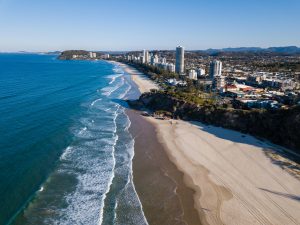
Wildlife Is Part of Daily Life
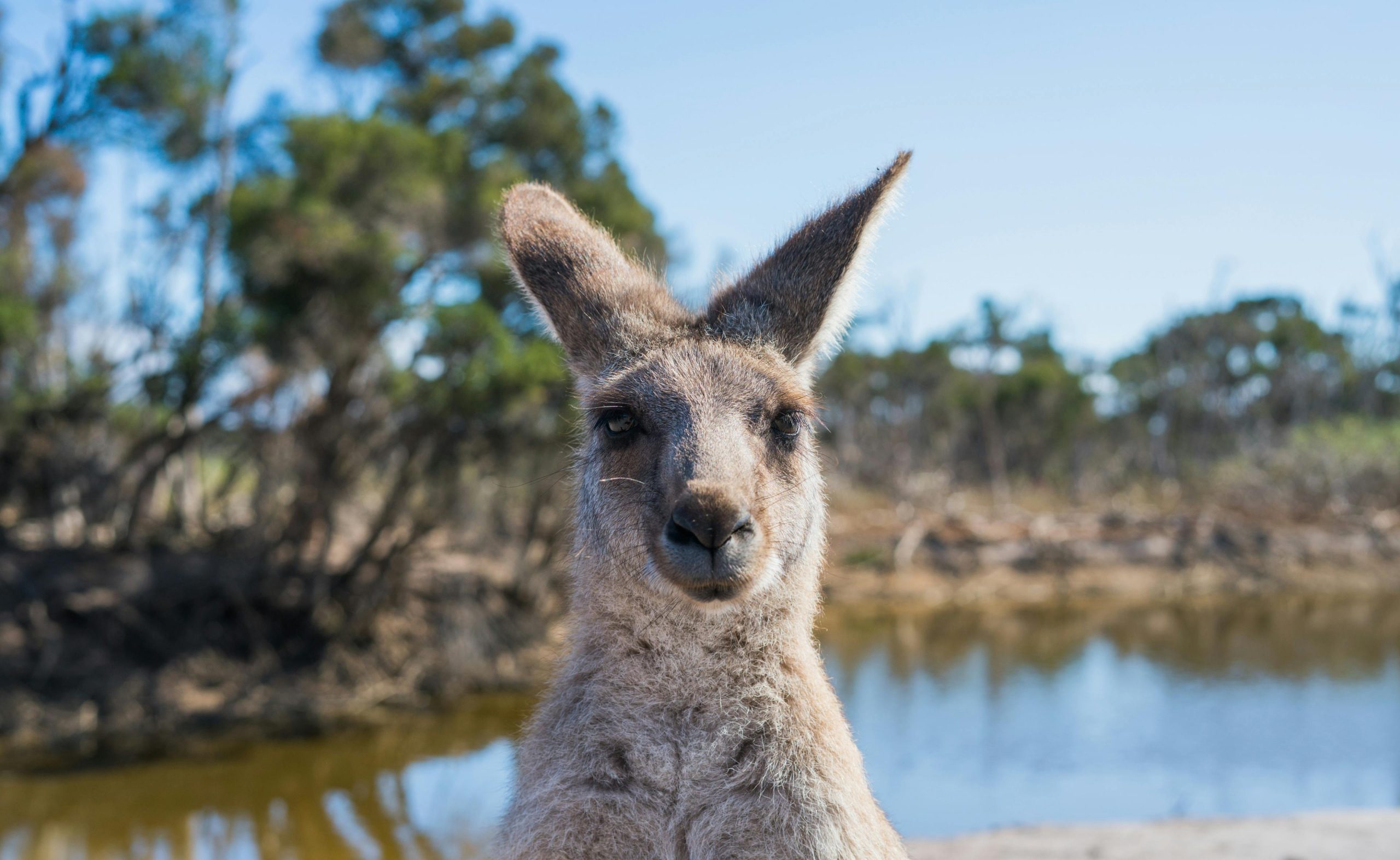
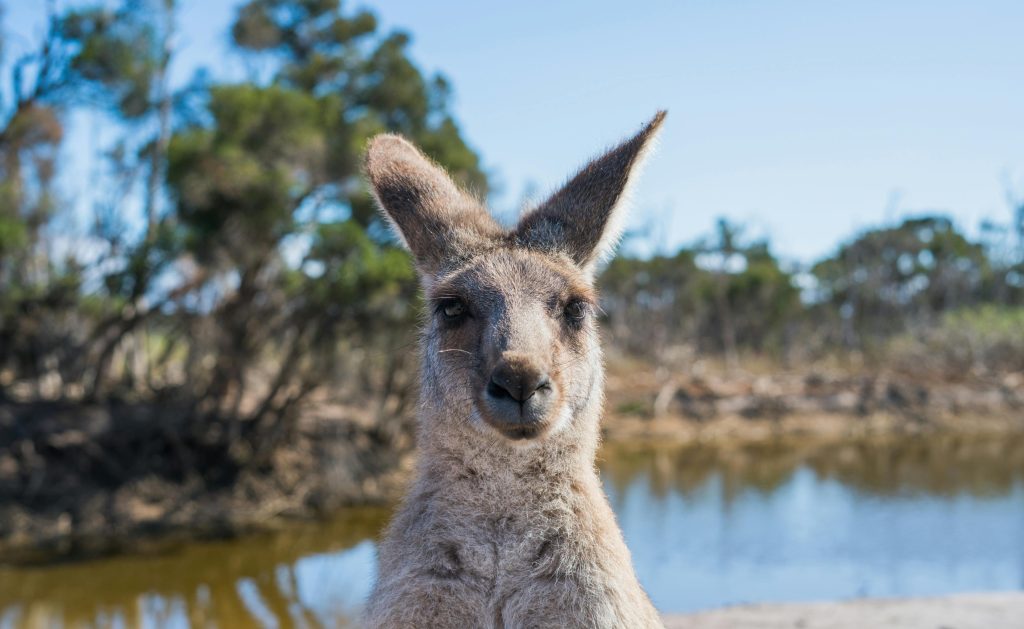
In Australia, wildlife isn’t something reserved for national parks or carefully planned excursions. It exists alongside daily routines, often in ways that surprise visitors who expect animals to be contained or hidden away. Kangaroos grazing near roads, colorful birds filling city parks with sound, or marine life visible just offshore – these encounters are not rare events, they’re part of the landscape.
What makes this especially striking is how normal it feels to locals. Wildlife is respected, sometimes cautiously navigated, but rarely treated as a spectacle. People adapt to it rather than the other way around. Roads have warning signs not because animals are attractions, but because they genuinely cross there. Beaches are shared spaces, not just for people but for ecosystems that have existed long before tourism arrived.

This everyday closeness to nature shapes attitudes toward the environment. There’s a general awareness that land, water, and wildlife are interconnected, and that human activity fits within a much larger system. For travelers, this is one of the more unexpected Australia travel facts – nature doesn’t sit at the edge of experience here, it overlaps with it.
Seeing wildlife woven into ordinary life changes how you observe your surroundings. You become more attentive, more patient, more aware of where you are. And often, those quiet encounters leave a stronger impression than any scheduled tour ever could.
Australia’s Climate Is More Complex Than You Think
One of the easiest mistakes to make when planning a trip to Australia is assuming the weather behaves uniformly across the country. In reality, Australia stretches across multiple climate zones, and what feels like “summer” or “winter” in one region can mean something completely different in another.
Northern Australia experiences tropical conditions, with wet and dry seasons that don’t follow the traditional calendar many travelers expect. Meanwhile, southern regions have more defined seasons, with cooler winters and warm, dry summers. Coastal areas enjoy milder temperatures, while inland regions can be dramatically hotter or colder depending on the time of year.
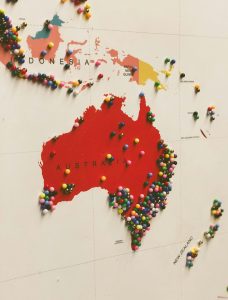
This variety explains why general advice about when to visit Australia often feels confusing. It’s not wrong – it’s just incomplete. Understanding this is one of those Australia travel facts that changes how you approach planning. Instead of asking, “Is it a good time to visit Australia?” the better question becomes, “Is it a good time to visit this part of Australia?”
For travelers, this diversity can be a major advantage. It means there’s almost always somewhere in the country experiencing favorable conditions. Once you stop thinking of Australia as a single climate and start seeing it as a collection of distinct regions, travel decisions become clearer – and far more flexible.
How Australians Travel Their Own Country
Because Australia is so large, travel is rarely spontaneous in the way it can be elsewhere. Locals grow up understanding that reaching a new place often takes time, planning, and commitment – and that awareness shapes how they explore their own country.

Long road trips are common and treated as a normal part of life rather than an adventure reserved for special occasions. Driving for hours, even days, is expected, and the journey itself is often just as important as the destination. There’s less pressure to “see everything” and more emphasis on spending meaningful time in one area, getting to know its rhythms rather than rushing through highlights.
Australians also tend to prioritize outdoor experiences. Coastlines, national parks, and remote landscapes are central to domestic travel, not optional add-ons. Even city dwellers regularly escape into nature, often returning to the same regions year after year instead of constantly seeking something new.
For visitors, this approach offers a valuable lesson. One of the most practical Australia travel facts to learn is that slowing down leads to better experiences. Adopting a local mindset – fewer stops, longer stays, and realistic distances – often results in trips that feel more grounded and far less exhausting.
Why Australia Feels Distant at First
For many travelers, Australia feels far away long before the journey even begins. The flight is long, the map makes it look isolated, and there’s a sense that you’re heading somewhere removed from the rest of the world. That distance isn’t just physical – it’s emotional, too.
Arriving in Australia can feel disorienting at first. Everything works smoothly, people are friendly, and the environment feels familiar enough, yet subtly different. There’s no immediate sense of cultural shock, which can make it harder to place where you are emotionally. Some visitors describe it as feeling slightly “out of sync,” as if the country takes time to reveal itself.
But that distance rarely lasts. As days pass, routines settle in. Conversations become easier. Places start to feel connected rather than spread out. You stop measuring how far you’ve come and start focusing on where you are. One of the quieter Australia travel facts is that the country doesn’t rush relationships – with people or with places.
This gradual closeness often leaves a lasting impression. What began as distance turns into familiarity, and what felt remote begins to feel grounding. By the time travelers leave, many are surprised by how attached they’ve become – not because Australia demanded attention, but because it allowed space for connection to grow naturally.
What Travelers Discover Too Late
Many people leave Australia with the same quiet realization: they tried to do too much, too quickly. It’s an understandable instinct – long flights create pressure, and the country’s size makes every destination feel important. But Australia rarely rewards rushing.
What travelers often discover too late is that Australia works best when you let go of the idea of “covering ground.” The moments that stay longest aren’t the big-ticket sights, but the slower ones – a conversation that runs longer than expected, a landscape that changes subtly over hours, a place that grows on you rather than impresses you immediately.
This is one of the most revealing Australia travel facts. The country doesn’t compete for attention. It doesn’t announce its best qualities upfront. Instead, it waits. And travelers who give it time tend to leave with a deeper understanding – not just of Australia, but of how they like to travel.
Those who return often do so differently. Fewer stops. Longer stays. Less urgency. In that sense, Australia isn’t just a destination you visit once – it’s a place that quietly reshapes how you approach the journey itself.
If you enjoyed looking beyond stereotypes, you might also like our guide to cultural travel in the USA, which explores how history, everyday life, and local traditions shape the American experience.
https://hellomyholiday.com/cultural-travel-in-the-usa-guide-2026/
If this article changed the way you see Australia, you’ll find many more destination stories, cultural guides, and thoughtful travel reads waiting for you across Hello My Holiday.
Sources & Further Reading
- National Museum of Australia – Indigenous history and culture
https://www.nma.gov.au - Australian Institute of Aboriginal and Torres Strait Islander Studies (AIATSIS)
https://aiatsis.gov.au - Australian Bureau of Meteorology – Climate zones and weather patterns
https://www.bom.gov.au - Geoscience Australia – Geography, land, and scale of Australia
https://www.ga.gov.au - WWF Australia – Wildlife and environmental context
https://www.wwf.org.au